





Understanding Nutritional Needs for Lasting Energy
Balancing glucides (carbohydrates), lipides (fats), and proteines (proteins) is essential to meeting your body’s nutritional needs. Understanding your nutritional needs helps you calculate your daily calorie (kcal) requirements and maintain the right balance of macronutrients for energy, strength, and long-term health. Whether your goal is weight loss, muscle gain, or improved well-being, knowing how to manage your nutritional needs ensures your body performs at its best every day.
When it comes to nutritional needs, most people focus only on calories. However, not all calories are equal. The quality and balance of macronutrients you consume determine how efficiently your body functions, how much energy you have, and how well you recover from daily activities or workouts.

What Are Macronutrients?
Macronutrients are nutrients your body needs in large amounts: glucides, lipides, and proteines. They provide energy and perform vital functions. Carbohydrates and proteins each provide 4 kcal per gram, while fats offer 9 kcal per gram. A well-balanced intake ensures optimal energy levels, hormone production, and muscle maintenance. Without a proper mix of these macronutrients, your metabolism can slow down, and your performance can decline.
Each macronutrient serves a unique purpose. Glucides are your main source of energy, lipides support hormone regulation and brain function, and proteines build and repair muscles and tissues.
Understanding Glucides (Carbohydrates)

Glucides are the body’s preferred source of energy. They are broken down into glucose, which fuels your brain and muscles. There are two main types: simple and complex carbohydrates. Simple carbohydrates are found in sugar, fruits, and sweets; they digest quickly, offering immediate energy but often leading to energy crashes. Complex carbohydrates, such as those in whole grains, legumes, and vegetables, digest slowly and provide stable, long-term energy.
For most adults, 45–65% of total calories should come from carbohydrates. For example, if you eat 2,000 kcal per day, that’s around 225–325 grams of carbs. Without enough glucides, your body may use proteins and fats for energy, leading to muscle loss and fatigue. However, consuming too many sugars can result in fat storage and energy instability, so moderation and quality matter.
Understanding Lipides (Fats)
Lipides are essential for energy, hormone production, and nutrient absorption. Despite their bad reputation, fats are crucial for your body. Healthy fats support brain health, heart function, and vitamin absorption. The key is knowing which fats to eat and which to avoid.
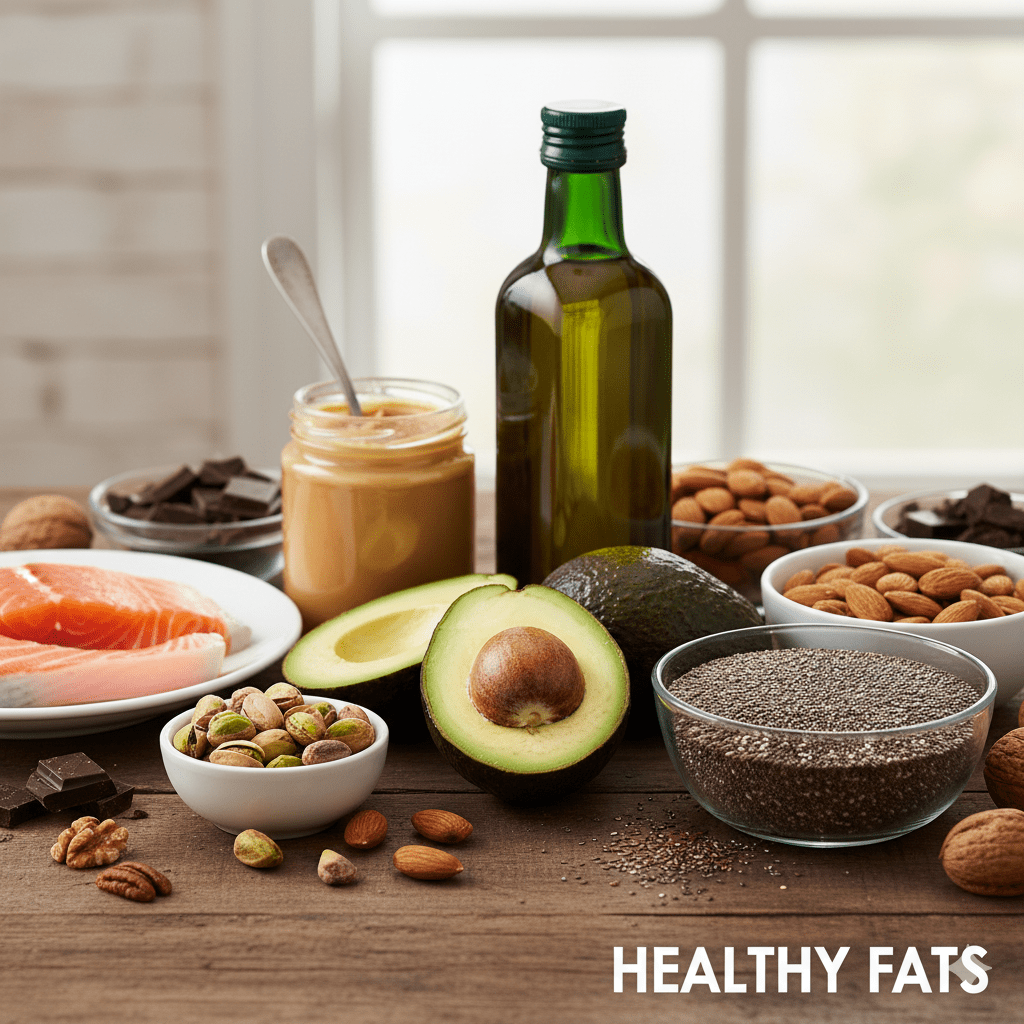
There are three main types of fats: saturated, unsaturated, and trans fats. Saturated fats, found in butter, meat, and cheese, should be limited. Unsaturated fats, found in olive oil, avocados, nuts, and fatty fish, are beneficial and support heart and brain health. Trans fats, found in processed and fried foods, are harmful and should be avoided completely.
Aim to get 20–35% of your daily calories from healthy fats. In a 2,000 kcal diet, that equals around 45–80 grams of fat daily. Choosing natural sources and avoiding processed fats ensures your body gets the nourishment it needs without increasing the risk of cardiovascular disease.
Understanding Proteines (Proteins)
Proteines are the building blocks of muscles, tissues, and organs. They’re made up of amino acids that play a vital role in muscle growth, repair, and immune function. Protein also helps you feel fuller for longer, making it useful for weight management.
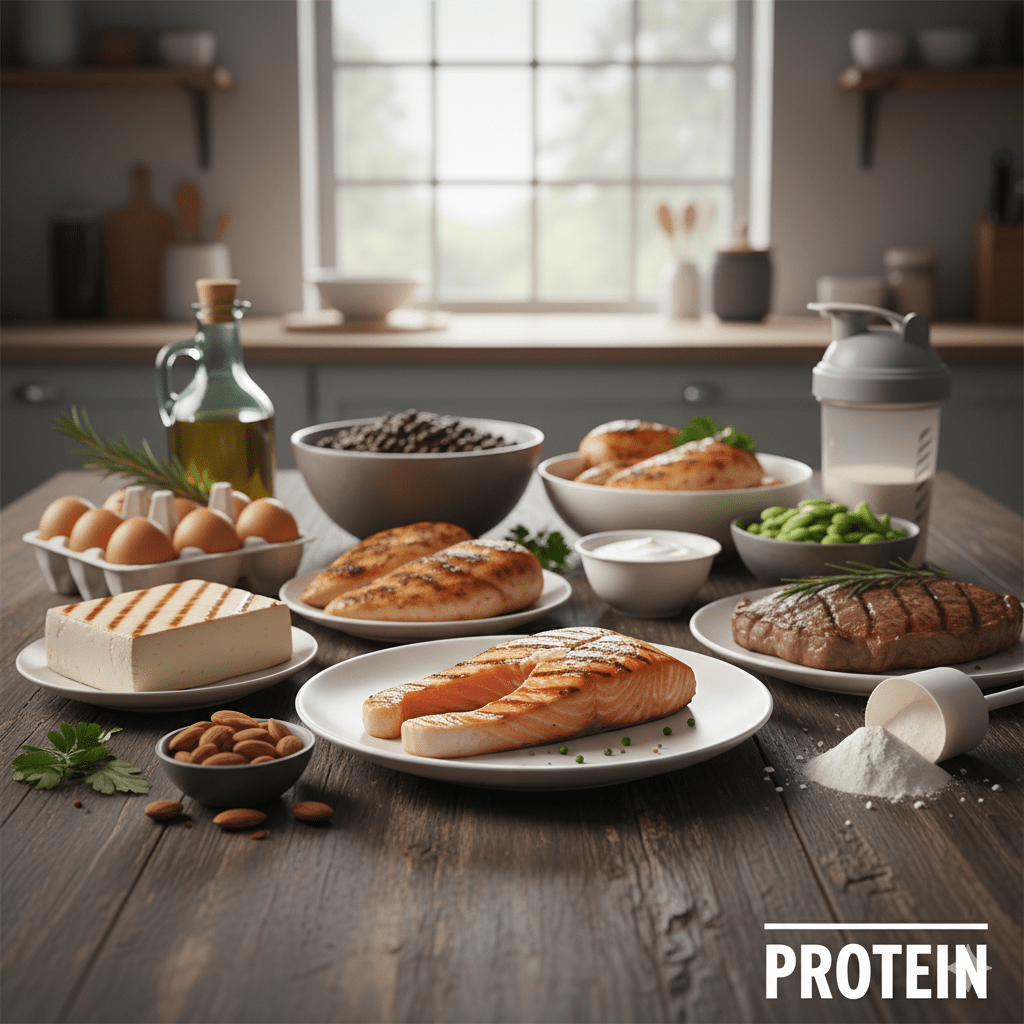
Protein sources can be animal-based (chicken, fish, eggs, dairy) or plant-based (tofu, beans, lentils, quinoa). Animal sources usually provide all essential amino acids, while plant sources may need to be combined to form complete proteins.
The recommended daily intake varies depending on activity level. For most adults, 1.0–1.2 grams of protein per kilogram of body weight is sufficient. Athletes or individuals aiming to build muscle may require 1.6–2.0 grams per kilogram.
How to Calculate Your Daily Caloric Needs
Your daily calorie requirement depends on your Basal Metabolic Rate (BMR) and activity level. The BMR represents the number of calories your body needs to function at rest, while activity level adjusts for your daily movements and exercise.
You can estimate your BMR using the Mifflin-St Jeor equation:
For men: BMR = (10 × weight in kg) + (6.25 × height in cm) – (5 × age) + 5
For women: BMR = (10 × weight in kg) + (6.25 × height in cm) – (5 × age) – 161
Next, multiply your BMR by an activity factor:
- Sedentary (little or no exercise): ×1.2
- Lightly active (1–3 days/week): ×1.375
- Moderately active (3–5 days/week): ×1.55
- Very active (6–7 days/week): ×1.725
- Extremely active: ×1.9
This gives you your Total Daily Energy Expenditure (TDEE) — the total calories you need per day. To lose weight, reduce your calorie intake by 10–20%. To gain muscle, increase it by 10–20%.
Example Calculation
Let’s calculate for a 30-year-old woman, 165 cm tall, weighing 60 kg, who exercises moderately.
Her BMR = (10×60) + (6.25×165) – (5×30) – 161 = 1,344 kcal
Her TDEE = 1,344 × 1.55 = 2,083 kcal/day
So, she should consume around 2,080 kcal per day to maintain her weight. For weight loss, she could aim for 1,800 kcal/day.
Her macronutrient breakdown for 2,000 kcal might be:
- 50% carbohydrates (1,000 kcal = 250g)
- 25% protein (500 kcal = 125g)
- 25% fat (500 kcal = 55g)
Finding the Right Macronutrient Balance
After knowing your daily kcal needs, divide your calories among the three macronutrients based on your goal:
- For general health: 50% carbs, 30% fats, 20% proteins
- For weight loss: 40% carbs, 30% fats, 30% proteins
- For muscle gain: 50% carbs, 25% fats, 25% proteins
Your body may respond differently depending on genetics, metabolism, and activity level. Adjust these ratios every few weeks until you find what works best for your energy and goals.
Common Mistakes When Calculating Macronutrients
Many people miscalculate their needs or focus on the wrong things. Some common errors include:
- Ignoring hidden calories from snacks, drinks, and sauces.
- Overestimating activity levels, leading to overeating.
- Focusing only on calories rather than food quality.
- Neglecting consistency or portion control.
Accurate tracking and realistic expectations are key to long-term success.
Expert Tips for a Balanced Diet
To maintain a healthy and sustainable nutritional balance:
- Eat natural, minimally processed foods.
- Stay hydrated and drink enough water daily.
- Include fiber-rich glucides to aid digestion.
- Choose unsaturated fats over saturated ones.
- Include protein in every meal for satiety and muscle maintenance.
- Adjust your intake as your activity and goals evolve.
These small habits have a huge impact on how you feel, perform, and recover.
Frequently Asked Questions (FAQs)
1. How do I know if I’m eating the right macronutrient ratio?
Track your meals using a nutrition app like MyFitnessPal or Cronometer. Check your energy, mood, and progress weekly to adjust as needed.
2. Are low-carb diets effective?
They can help some people lose weight, but very low-carb diets can cause fatigue and reduce performance. Balance is key.
3. Should I avoid fats completely?
No. Healthy fats are vital for brain function and hormone production. Avoid only trans fats and limit saturated fats.
4. How often should I recalculate my calorie needs?
Every 6–8 weeks, especially after significant weight changes or lifestyle adjustments.
5. Do I need more protein when losing weight?
Yes, a higher protein intake helps preserve muscle while reducing fat.
6. What’s the best macro ratio for building muscle?
Start with 50% carbs, 25% proteins, and 25% fats, then tweak according to your results.
Conclusion
Balancing glucides, lipides, and proteines is not about restriction—it’s about nourishment. When you learn how to calculate your daily kcal needs and distribute your macronutrients properly, you empower your body to perform at its best. A balanced nutrition plan enhances energy, boosts metabolism, supports muscle growth, and leads to a healthier, more sustainable lifestyle.
For reliable information and dietary guidance, explore trusted resources like Harvard Health.
Leave a Reply