




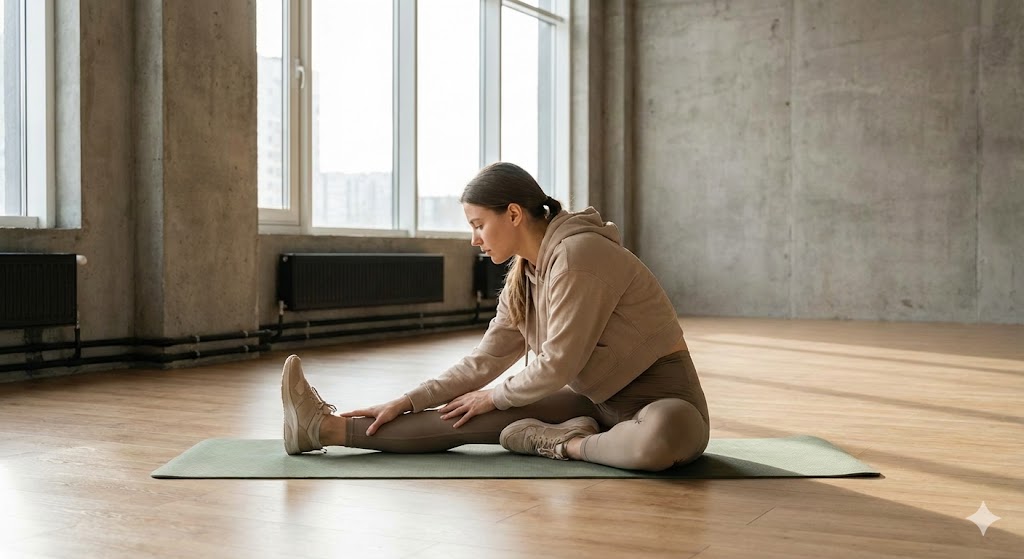

Should You Stretch Before or After Your Workout? A Simple Guide
Stretching is one of the most misunderstood parts of fitness. Many people jump into their workout without taking time to prepare their muscles properly, while others stretch too late or in the wrong way. Understanding when and how to stretch can make your body stronger, more flexible, and less prone to injuries.

Why Stretching Matters
Stretching helps your muscles move more freely and improves circulation, which prepares your body for physical effort. When your muscles are stiff, your range of motion becomes limited, and that can reduce the quality of your workout. Over time, regular stretching also improves posture, mobility, and overall comfort in everyday movements.

Stretching Before a Workout
Before exercising, your body needs movements that gently warm up the muscles instead of holding long static stretches. This type of stretching activates your joints and increases blood flow, making your workout smoother and safer. Stretching lightly before training helps your muscles prepare for the intensity ahead and reduces the risk of sudden pulls or discomfort.
Stretching After a Workout
After your workout is when deeper stretching becomes the most beneficial. Your muscles are warm, more elastic, and ready to release tension. Stretching at this moment helps your body recover faster, reduces soreness, and improves long-term flexibility. Taking a few minutes after training to stretch slowly can make a noticeable difference in how your body feels the next day.
Finding the Right Balance
The best approach is simple: warm up your body with dynamic movements before your workout, then dedicate time to slow, controlled stretches afterward. This combination improves performance, supports recovery, and keeps your muscles healthy. Consistency is what matters most, even if you stretch for just a few minutes each time.
Why Stretching Matters for Performance and Recovery
Stretching plays a key role in helping your body move better before and after exercise. When done at the right time, it improves stability, increases mobility, and supports long-term flexibility. Many people skip stretching because they think it is optional, but avoiding it makes the body stiffer, less coordinated, and more prone to injuries such as muscle pulls or joint discomfort. Adding even a few minutes of stretching to your routine helps your muscles function smoothly, supports healthy posture, and makes each workout more effective.
Common Stretching Mistakes to Avoid
One of the most common mistakes is holding deep static stretches before starting the workout. This slows down your muscles and reduces strength performance. Another mistake is rushing through post-workout stretching without giving the muscles enough time to relax. Stretching should never be painful; the goal is to feel gentle pressure. Breathing slowly during each stretch helps your body release tension naturally and enhances recovery.
A Simple Stretching Routine You Can Follow
A balanced routine includes dynamic movements before exercising and slow, static stretching afterward. Before training, focus on movements that activate the body such as leg swings, arm circles, or light cardio movements. After training, shift to deeper stretches for the legs, back, hips, and shoulders. Holding each stretch for 20–30 seconds helps relieve tightness and prepares your body for your next workout. With regular practice, you will notice better flexibility, smoother movements, and less soreness day to day.
Leave a Reply