





Healthy Moroccan Breakfast Ideas for Weight Loss Without Cutting Taste
Eating breakfast in a healthy way does not mean removing flavor or pleasure. Moroccan cuisine offers ingredients that can support fat loss, increase energy, and keep you full longer. With some adjustments, it is possible to enjoy traditional Moroccan taste while helping your body lose weight naturally.
Why Traditional Moroccan Breakfast Can Cause Weight Gain
Moroccan breakfast often includes white bread, msemen, harcha, honey, amlou, and sweet tea. These foods are rich in calories and carbohydrates. When eaten daily in large portions, the body stores excess calories and increases hunger later because of rapid blood sugar spikes.
The goal is not to eliminate these foods, but to keep the taste while reducing sugar, managing portions, and including protein.
A Better Moroccan Breakfast That Keeps You Full Longer
A breakfast that combines protein, slow-digesting carbohydrates, and healthy fats stabilizes appetite and keeps you satisfied through the morning. When your body receives fiber, protein, and nutrients early, cravings decrease and metabolism becomes more efficient.
Healthy Moroccan Breakfast Example 1: Barley Harcha With Eggs
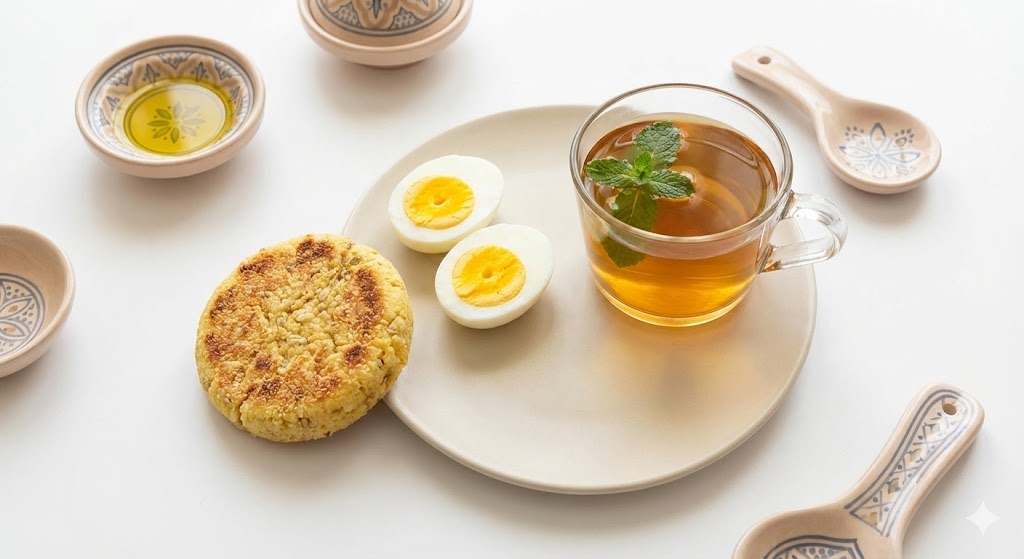
Replacing regular flour with barley changes everything. Barley is high in fiber and helps regulate digestion. Eating one small barley harcha with two eggs creates balance between energy and satiety. Eggs provide complete protein and keep you full, while barley slows down sugar absorption. Drinking unsweetened mint tea with this breakfast reduces unnecessary calories.
Healthy Moroccan Breakfast Example 2: Bissara for Protein and Fiber
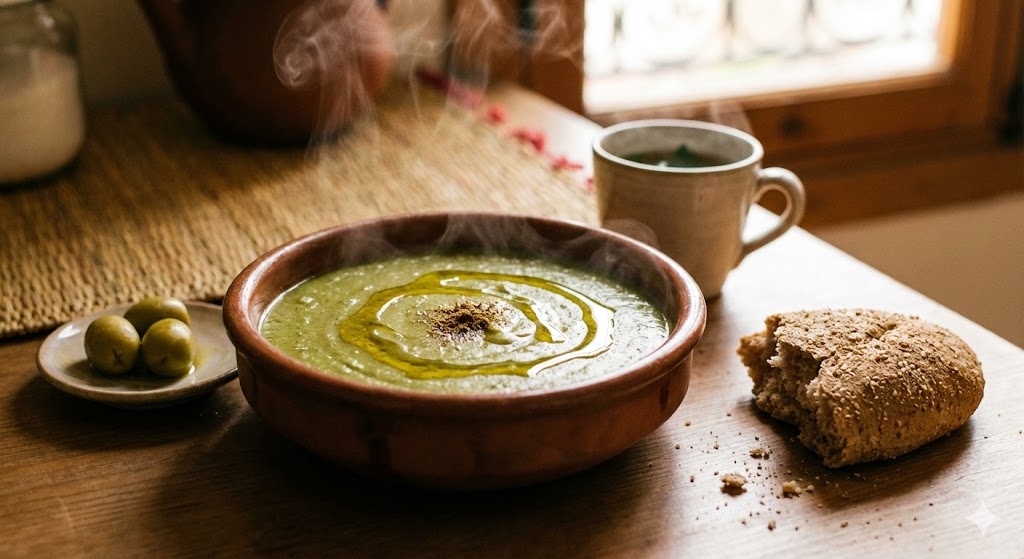
Bissara is naturally filling and low-cost. When eaten warm in the morning, it keeps hunger under control for hours. A small drizzle of olive oil is enough for flavor without adding extra calories. Green olives on the side bring healthy fats and help with long-lasting fullness.
Healthy Moroccan Breakfast Example 3: Yogurt Bowl With Fruits and Almonds
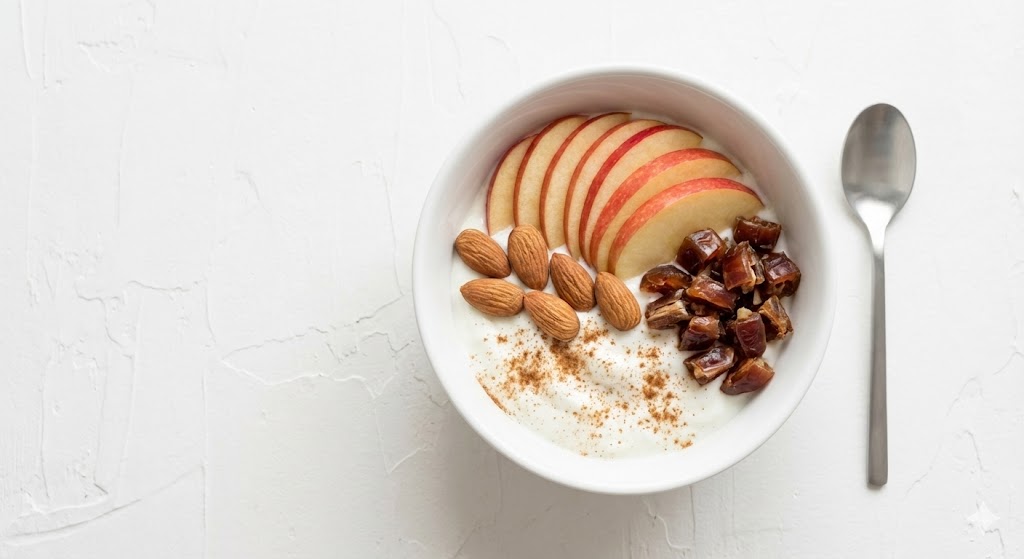
A yogurt bowl is ideal when you want something light, sweet, and nutritious. Greek yogurt provides protein and calcium, fruits offer antioxidants, and five to six almonds add healthy fats. Using cinnamon instead of sugar improves taste and helps balance blood sugar.
Healthy Moroccan Breakfast Example 4: Light Moroccan Avocado Smoothie
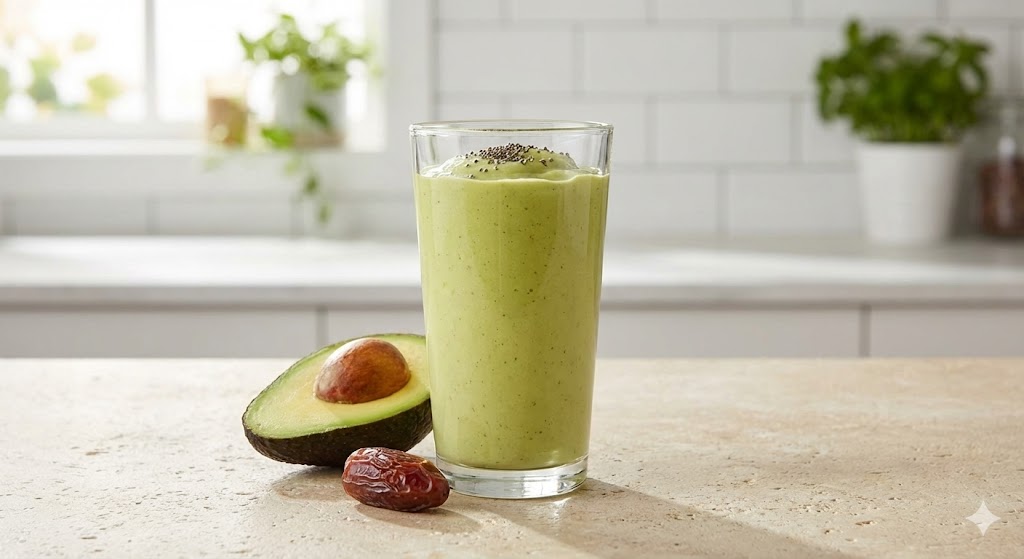
Traditional Moroccan avocado juice is usually prepared with sugar and milk, which increases calories. A lighter version includes half or one small avocado, water instead of milk, one date for sweetness, and chia seeds. This version is creamy, filling, and rich in omega-3. Chia seeds expand gently inside the stomach, helping control hunger.
Healthy Moroccan Breakfast Example 5: Whole Grain Bread With Simple Toppings
Bread is not a problem when chosen and eaten mindfully. One slice of whole grain or semolina-based bread with a small amount of olive oil or cheese remains balanced if eaten with tea without sugar. Whole grains slow digestion and provide longer-lasting energy.
A Simple Weekly Moroccan Breakfast Cycle
A weekly rotation avoids boredom and keeps nutrition varied. One day includes eggs and harcha, another day bissara, another day yogurt and almonds. Other days may include semolina bread or a small portion of msemen when prepared with oat flour. This balance prevents overeating and gives structure to your mornings.
Can You Still Eat Honey and Msemen on a Weight Loss Diet?
Honey is natural, but still high in calories. One teaspoon is enough to enjoy sweetness without affecting progress. Msemen is allowed occasionally, especially when made with oats or barley. When eaten in a small portion and paired with protein like eggs or yogurt, it becomes part of a balanced breakfast rather than a calorie trap.
Why These Moroccan Breakfast Ideas Work for Weight Loss
These breakfast ideas rely on satiety, protein intake, and nutrient density. When the body receives satisfying food early in the day, digestion improves, energy increases, and emotional eating decreases. Healthy eating becomes easier when meals taste good and respect culture and tradition.
Leave a Reply