




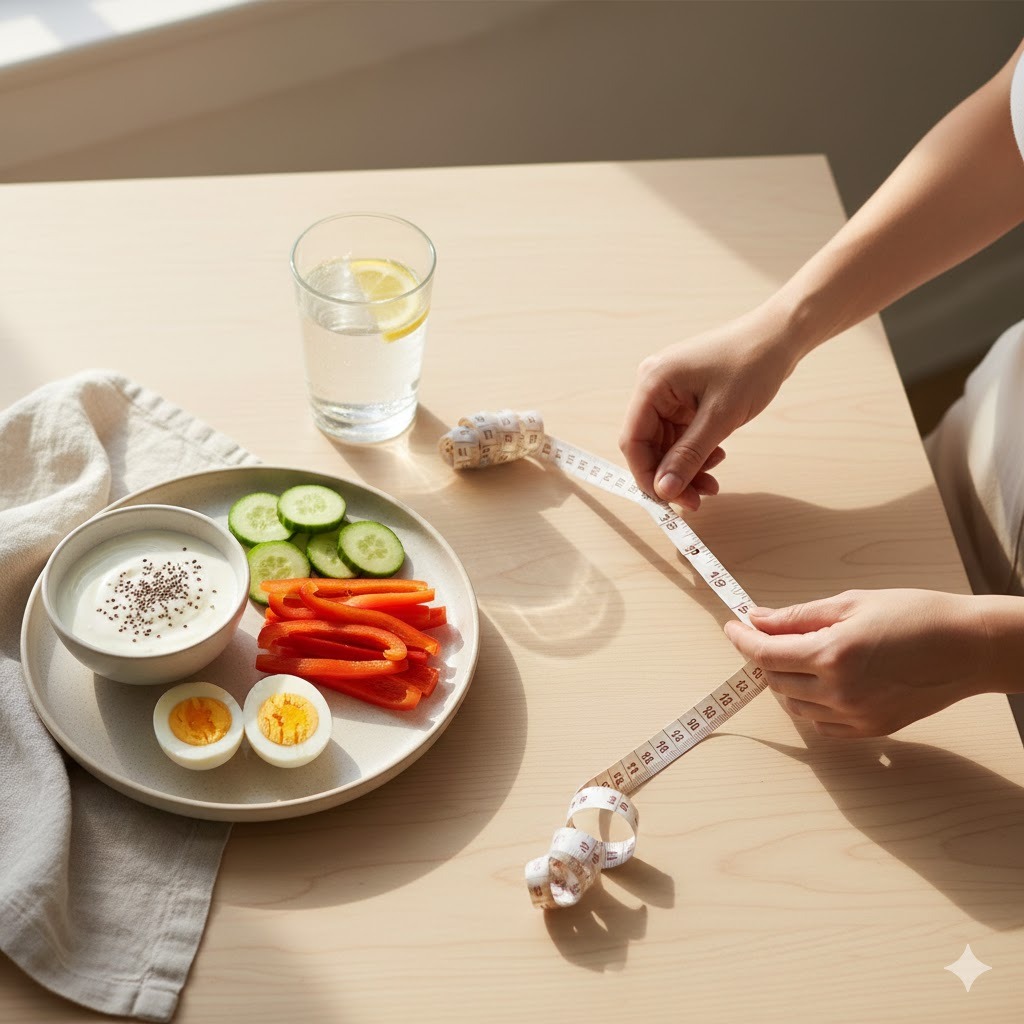

Weight Loss Mistakes Women Make Without Realizing
Many women try to lose weight but end up stuck, frustrated, or confused, even when they believe they are doing everything correctly. Often, progress slows down not because of lack of effort, but because certain habits interfere with hunger control, metabolism, and emotional eating. Understanding what blocks results is the first step toward sustainable and healthy weight loss.
Eating Too Little and Triggering Hunger Later
Many women assume that eating very little leads to faster weight loss. In reality, severe calorie restriction slows metabolism. When the body receives too little energy, it protects itself by storing fat and increasing hunger signals. Eating extremely light meals during the day often causes overeating at night and emotional food choices. A satisfying breakfast and balanced lunch reduce hunger spikes and prevent late-night cravings.
Choosing “Healthy” Foods That Are Actually High in Calories
Not everything labeled healthy supports weight loss. Foods such as granola, smoothies, flavored yogurt, and nut butters are nutritious but dense in calories. When eaten without portion awareness, they lead to fat gain despite being “clean.” The issue is not the food itself but the quantity. Measuring portions and eating mindfully helps avoid accidental overconsumption.
Drinking Calories Instead of Eating Them
Many women consume calories through drinks without noticing. Coffee with cream, sweet tea, juice, and milkshakes provide energy with little satiety. The body processes liquid calories quickly, which increases hunger soon after. Replacing sweetened beverages with water, herbal infusions, or light tea helps stabilize appetite and reduce total calorie intake.
Snacking Emotionally Instead of Hunger-Based Eating
Even when meals are balanced, emotional snacking delays weight loss. Stress, boredom, fatigue, and loneliness often lead to eating without hunger. The body receives extra calories without physiological need. Recognizing emotional eating patterns, staying aware of triggers, and engaging in soothing alternatives such as walking, journaling, or deep breathing reduces unnecessary snacking.
Exercising Without Accounting for Food Intake
Some women exercise and expect instant results. Others increase workout intensity but still overeat afterward. Exercise improves metabolism and body composition, but food choices after workouts determine results. A balanced post-exercise meal based on protein and healthy carbs supports fat loss and muscle recovery. Eating sugary snacks directly after training slows progress.
Avoiding Protein and Eating Mostly Carbohydrates
Protein increases satiety, supports muscle preservation, and stabilizes blood sugar. Women who eat mostly bread, pasta, fruit, or cereal often experience frequent hunger, cravings, and energy drops. Adding eggs, yogurt, lentils, chicken, or tofu at each main meal keeps appetite stable and makes weight loss feel easier.
Sleeping Less and Causing Hormonal Imbalance
Sleep influences weight more than most women realize. Poor sleep increases cortisol levels, which raise hunger and reduce motivation. When sleep is insufficient, cravings for sugar and fast food increase. A good evening routine, reduced screen exposure, and calming pre-sleep rituals promote deeper rest and more balanced eating decisions.
Comparing Progress to Others and Losing Patience
Weight loss varies between bodies due to hormones, metabolism, stress levels, lifestyle, and genetics. Comparing progress to others often creates frustration and leads to extreme measures. Sustainable weight loss happens when efforts are consistent, not when they are rushed. Slow progress remains progress, especially when it becomes part of long-term habits.
Why Fixing These Mistakes Makes Weight Loss Easier
Correcting these mistakes changes the body’s response to food. Hunger becomes manageable, metabolism becomes more active, emotional eating decreases, and energy increases. When meals are structured with protein, when sleep improves, and when emotional decisions are controlled, weight loss becomes natural rather than forced. The body stops fighting against you and begins cooperating.
Lasting weight loss is not about perfection. It is about adjusting what does not work, choosing what supports long-term well-being, and respecting the body’s needs. When these fundamental mistakes are replaced with balanced habits, women lose weight more comfortably, confidently, and sustainably.
Leave a Reply