





Healthy Nutrition for PCOS, Gluten Intolerance, and Gut Balance
Every body has different needs , and so should every diet. Whether you’re managing PCOS, balancing blood sugar, avoiding gluten, or dealing with an irritable colon, the right nutrition can transform how you feel and perform.
In addition, understanding how food interacts with your body helps reduce inflammation, balance hormones, and support long-term wellness.
Below, you’ll find how to adapt your diet to your body’s specific needs while still enjoying delicious, nourishing meals.
Nutrition for PCOS (Polycystic Ovary Syndrome)
What to Focus On
A PCOS-friendly diet should aim to balance hormones and reduce insulin resistance.
Include plenty of high-fiber foods such as vegetables, oats, lentils, and legumes. Lean proteins like fish, eggs, and chicken are also beneficial.
In addition, healthy fats such as avocado, olive oil, and chia seeds support hormone production and improve skin and energy levels.

What to Avoid
Avoid refined sugars, processed carbohydrates, and dairy products high in hormones.
However, small indulgences like dark chocolate or fruit smoothies are fine occasionally — moderation is key. Therefore, consistency and whole foods are more effective than extreme restrictions.
Nutrition for Sugar Problems (Insulin Resistance or Hypoglycemia)
What to Focus On
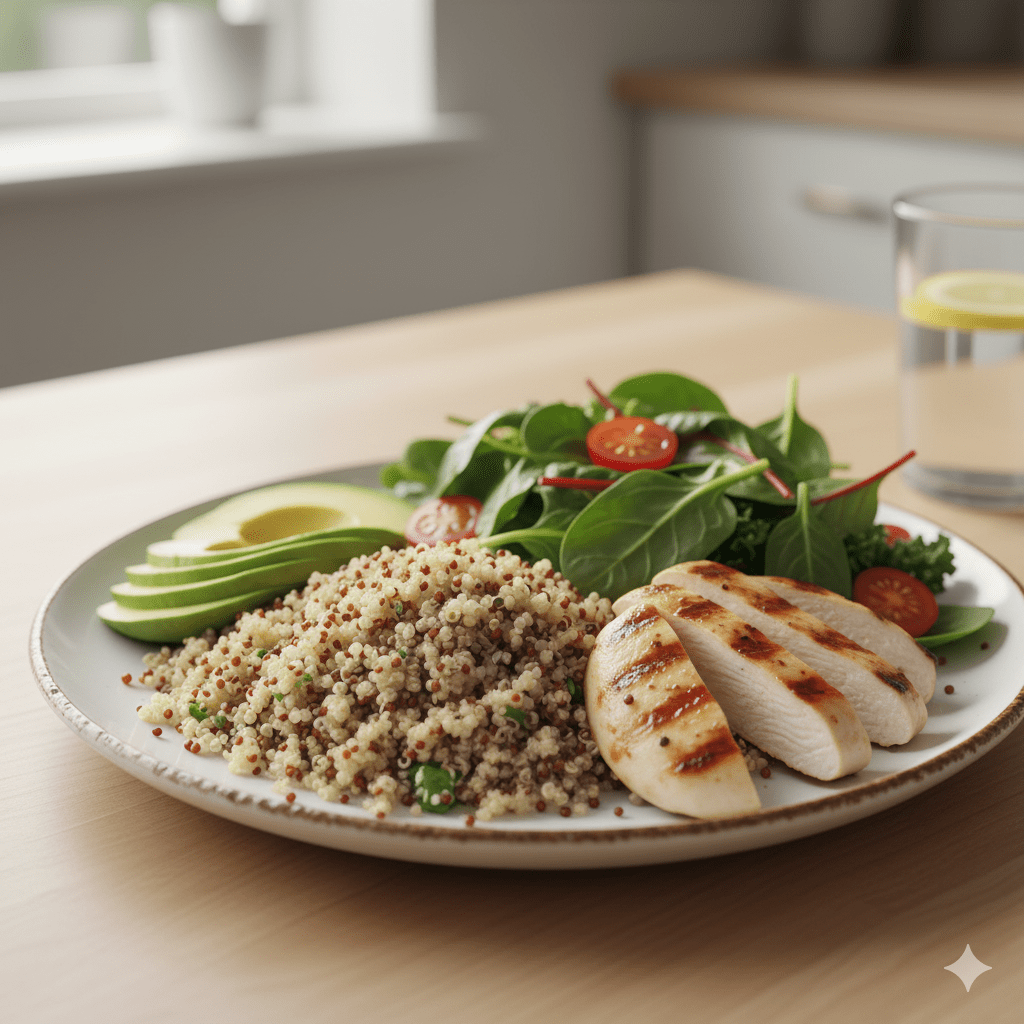
Focus on foods that help maintain stable blood sugar levels throughout the day. Choose low-glycemic carbohydrates such as quinoa, lentils, brown rice, and whole oats.
Pair them with lean proteins (fish, chicken, eggs) and healthy fats (avocado, olive oil) to avoid energy crashes. In addition, eating smaller meals every 3–4 hours can help prevent glucose spikes.
What to Avoid
Avoid processed sugars, sodas, pastries, and white flour products.
Instead, go for natural alternatives like fresh fruit, unsweetened yogurt, or recipes sweetened with stevia or dates. Therefore, mindful eating and proper meal timing make a big difference in managing blood sugar naturally.
Nutrition for Gluten Intolerance or Sensitivity
What to Focus On
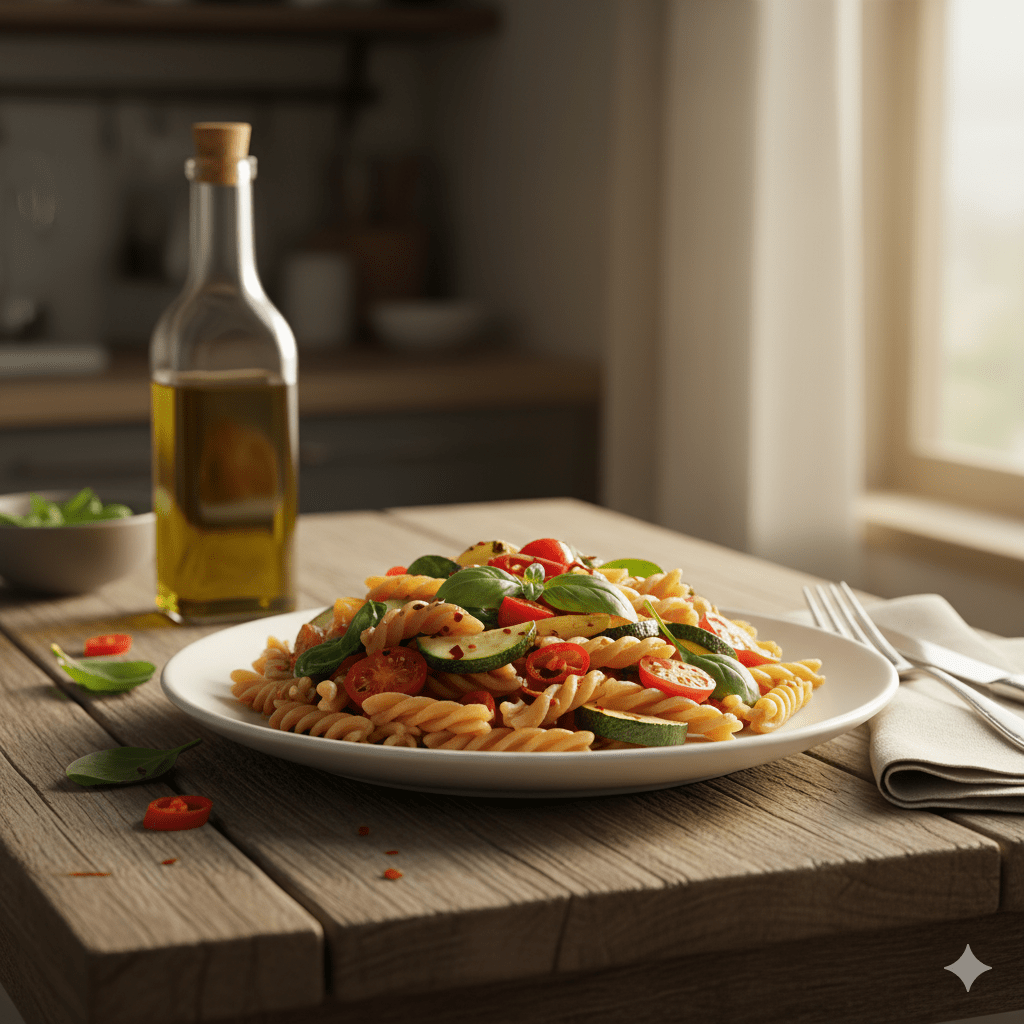
A gluten-free diet doesn’t have to be restrictive. Choose naturally gluten-free grains like rice, buckwheat, quinoa, and millet.
Add plenty of vegetables, fruits, lean proteins, and legumes to your meals.
In addition, always read labels carefully, since gluten can hide in sauces, soups, and seasonings.
What to Avoid
Eliminate wheat, barley, rye, and foods made from them.
However, there are now many delicious alternatives, such as oat flour, almond flour, or gluten-free bread. Therefore, explore gluten-free recipes that are simple, balanced, and satisfying.
Nutrition for Irritable Bowel Syndrome
What to Focus On

For those with an irritable colon, focus on soothing, easy-to-digest meals.
Cooked vegetables like carrots, zucchini, spinach, and pumpkin are gentle on the digestive system. In addition, include lean proteins (fish, chicken, tofu) and probiotic foods such as kefir and yogurt to support gut health.
What to Avoid
Avoid spicy foods, carbonated drinks, caffeine, and fried meals that irritate the gut.
Also, limit foods that cause bloating — such as onions, garlic, and beans — if you are sensitive to them.
Therefore, keeping a food journal can help identify and manage your personal triggers more effectively.
Final Thoughts
Nutrition isn’t one-size-fits-all — it’s about understanding what works best for your body.
Whether it’s PCOS, sugar sensitivity, gluten intolerance, or IBS, making mindful food choices can restore balance and improve your energy, digestion, and mood.
In addition, every healthy habit — even small ones — moves you closer to lasting wellness.

Leave a Reply